Roof Repair Tucson Arizona: A Comprehensive Guide
Introduction
Tucson, Arizona, is renowned for its vibrant culture, stunning natural landscapes, and diverse architecture. Amidst this unique urban fabric lies an essential aspect of any community’s infrastructure—the roof. This article delves into the intricacies of roof repair in Tucson, exploring its significance, historical evolution, global impact, economic implications, technological innovations, regulatory framework, challenges, and future prospects. By the end, readers will gain a comprehensive understanding of this vital service and its role in shaping urban environments.
Understanding Roof Repair Tucson Arizona
Definition and Core Components
Roof repair in Tucson refers to the maintenance, restoration, and replacement of roofing systems specific to residential and commercial properties within the city. It involves a range of tasks, from fixing minor leaks and damaged shingles to extensive reroofing projects. The core components of a roof repair project include:
- Roofing Materials: Asphalt shingles, metal panels, tile, and slate are commonly used in Tucson due to their climate-suitability and local building codes.
- Underlayment: A protective layer that provides extra insulation and water resistance beneath the visible roofing material.
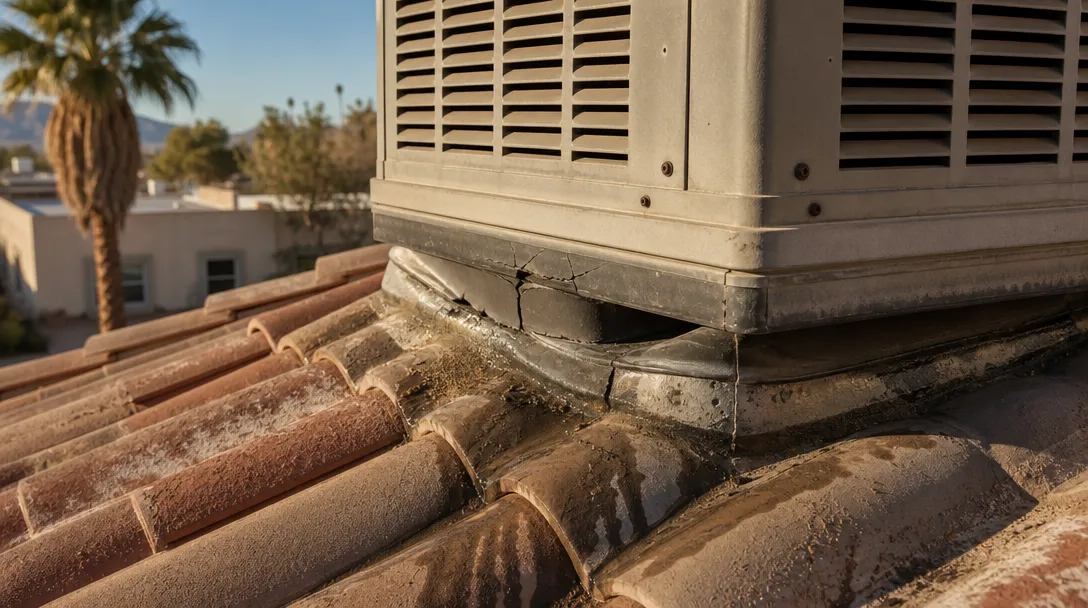
- Flashings: These seal joints and valleys, preventing water intrusion at points like chimneys, vents, and walls.
- Gutters and Downspouts: Essential for channeling rainwater away from the foundation, they can also signal potential roof problems if damaged or blocked.
Historical Context and Significance
Roof repair has been an integral part of human habitation since ancient times. In Tucson’s context, the history of roofing is tied to the region’s unique climate and architectural trends. Historically, local builders have adapted roofing techniques to withstand the intense summer heat, frequent rainfall, and occasional snow in winter. This adaptation has led to a preference for low-slope roofs with strong water resistance and high durability.
The significance of roof repair Tucson Arizona lies in several key areas:
- Safety: A compromised roof can lead to structural damage, interior water intrusion, and even danger to occupants during severe weather.
- Energy Efficiency: Properly maintained roofs contribute to energy conservation by providing insulation and reducing heating/cooling costs.
- Property Value: Well-maintained roofing enhances the aesthetic appeal and overall value of a property.
- Environmental Impact: Efficient roof repair practices can minimize waste and promote the use of sustainable materials, contributing to Tucson’s green initiatives.
Global Impact and Trends
International Influence
The concepts and techniques of roof repair in Tucson are influenced by global trends, with many best practices and innovative solutions circulating internationally. The city’s roofing industry benefits from worldwide knowledge-sharing, ensuring that local professionals stay updated with the latest advancements.
Key Global Trends Shaping Roof Repair
- Sustainability: There is a growing emphasis on environmentally friendly materials and energy-efficient roofing practices globally. Tucson’s roofers are incorporating these trends by using recycled materials, cool roofs (reflective surfaces), and sustainable underlayments.
- Smart Technology Integration: The Internet of Things (IoT) is transforming the roofing industry. Smart sensors can monitor roof health, predict failures, and enable proactive maintenance.
- Digital Transformation in Project Management: Cloud-based software solutions streamline project planning, tracking, and communication for roofing companies worldwide, including Tucson-based firms.
- Rise of Specialized Services: Specialization is increasing, with contractors focusing on specific types of roofs (e.g., metal, flat, or sloped) to ensure expertise and high-quality workmanship.
Regional Variations and Affects
Different regions within Arizona and the broader Southwest US have unique roofing requirements due to varying climates and architectural styles. For instance:
- Desert Regions: Intense summer heat necessitates reflective and breathable roofing materials, while insulation is crucial for energy efficiency during cold winters.
- Mountain Areas: Higher elevations bring colder temperatures and heavy snowfall, demanding robust roofing systems that can withstand extreme conditions.
- Coastal Zones: Although Tucson is inland, coastal influences may impact material choices, with a focus on wind resistance and protection against salty sea air corrosion.
Economic Considerations
Market Dynamics and Investment Patterns
The roof repair market in Tucson Arizona operates within a competitive landscape, driven by factors such as:
- Seasonality: Peak demand occurs during the summer months when residents address pre-winter maintenance concerns.
- Local Building Activity: Construction booms or downturns directly impact roofing service requests.
- Word-of-Mouth and Online Reviews: Reputation plays a significant role in attracting new customers, with positive reviews driving business growth.
Economic Impact on Tucson’s Community
Roof repair services contribute to Tucson’s economy in several ways:
- Employment: Local roofing companies provide employment opportunities for skilled laborers, contractors, and office staff.
- Revenue Generation: The industry generates substantial revenue through project fees, contributing to the city’s tax base.
- Support for Complementary Industries: Rooftop repairs and replacements stimulate demand for related services like gutter cleaning, pressure washing, and interior/exterior painting.
Technological Advancements
Innovations in Roofing Materials
Technological progress has led to significant improvements in roofing materials:
- Enhanced Asphalt Shingles: Modern versions offer superior durability, impact resistance, and longer warranties compared to traditional shingles.
- Metal Roofing: Lightweight, durable, and low-maintenance, metal roofs are gaining popularity due to their longevity and energy efficiency.
- Cool Roofs: These utilize reflective coatings or materials to absorb less heat, reducing cooling costs and contributing to urban heat island mitigation.
- Green Roofing (Living Roofs): This involves growing vegetation on rooftops, providing insulation, absorbing rainwater, and enhancing biodiversity.
Digital Tools and Applications
Digital technology has revolutionized roof repair in Tucson:
- Drone Inspections: High-resolution drones equipped with thermal imaging can conduct detailed roof surveys, identifying damage or anomalies quickly and safely.
- Building Information Modeling (BIM): BIM software creates 3D models of buildings, aiding in design, planning, and project management for complex roofing projects.
- Mobile Applications: Apps enable customers to request quotes, track project progress, and communicate directly with contractors.
Future Potential
The future of roof repair technology looks promising, driven by:
- Artificial Intelligence (AI): AI can predict roof failures based on data analysis, optimize material choices, and enhance worker safety.
- Robotic Systems: Robots may assist in complex tasks like nailing or sealing, increasing efficiency and precision.
- Smart Home Integration: As homes become smarter, roofing systems could integrate with automated systems for enhanced energy management and leak detection.
Policy and Regulation
Key Policies and Regulatory Frameworks
Tucson’s roof repair industry operates within a structured regulatory environment:
- Building Codes: The City of Tucson has strict building codes governing roofing materials, methods, and safety standards. These ensure that all repairs and installations meet or exceed minimum requirements.
- Permits and Licenses: Roofing contractors must obtain permits for certain types of work, including major re-roofs, to comply with local regulations.
- Insurance Requirements: Contractors are mandated to carry liability insurance, worker’s compensation, and bond guarantees to protect property owners and ensure financial responsibility.
- Environmental Regulations: Tucson’s roofing industry adheres to guidelines for the proper disposal of roofing waste, especially materials containing hazardous substances.
Influence on Industry Development
Regulatory frameworks play a critical role in:
- Safety Assurance: Building codes ensure that roofs are safe and durable, protecting residents and property.
- Standardization of Practices: Permits and licenses guarantee that contractors meet quality standards, fostering consumer confidence.
- Environmental Conservation: Regulations promote responsible waste management and sustainable building practices.
- Competitive Landscape: Licensing requirements may limit entry into the market, ensuring only qualified professionals offer roofing services.
Challenges and Criticisms
Main Challenges Faced by Roof Repair Tucson Arizona
- Labor Shortages: The industry occasionally faces skilled labor shortages due to high demand, leading to longer project timelines and increased costs.
- Extreme Weather Events: Tucson’s climate can lead to challenges during repairs, with heavy rainfall or snow potentially delaying progress or causing secondary damage.
- Code Compliance: Keeping up with evolving building codes and regulations can be challenging for small contractors, requiring ongoing training and investment in resources.
- Customer Education: Many homeowners may not fully understand the complexities of roof repair, leading to misinformed decisions or unrealistic expectations.
Proposed Solutions and Strategies
- Workforce Development Programs: Collaborating with vocational schools and community colleges can address labor shortages by cultivating a skilled workforce.
- Advanced Weather Forecasting: Utilizing sophisticated weather prediction tools helps contractors plan and prepare for severe conditions.
- Simplified Code Resources: The city could provide easily accessible online resources or workshops to aid contractors in understanding building codes.
- Public Awareness Campaigns: Educating homeowners about roof repair processes, common issues, and maintenance tips can foster informed decision-making.
Case Studies: Successful Applications and Lessons Learned
Case Study 1: Historic Downtown Tucson Re-roof Project
Summary: This project involved the re-roofing of several historic buildings in downtown Tucson as part of a city revitalization initiative.
Challenges: The old roofs were in severe deterioration, with some structures requiring unique, period-appropriate materials to maintain architectural integrity.
Solutions: Contractors employed specialized techniques and materials, including hand-crafted tiles and custom metal work. They also coordinated closely with city historians and preservation officers to ensure compliance with historic building codes.
Outcome: The project successfully restored the buildings’ original charm while providing modern weather protection. It became a model for preserving Tucson’s architectural heritage through roof repair and restoration.
Case Study 2: Energy-Efficient Flat Roof Conversion
Summary: A local family sought to reduce their energy bills by converting their sloped tile roof to a flat, cool roof system.
Process: The contractor assessed the structure’s integrity, removed the old roofing, installed a reflective underlayment and coating, and then laid down a new, flat membrane.
Results: The project achieved significant energy savings, with the family reporting reduced cooling costs by 30%. It also extended the roof’s lifespan, providing long-term benefits.
Lessons Learned:
- Customer Collaboration: Engaging clients in the design and planning process ensures their satisfaction and allows for customized solutions.
- Sustainable Solutions: Incorporating green technologies can offer environmental and financial benefits, enhancing the value of properties.
- Complex Projects Require Expertise: Specialized knowledge is crucial for successful execution and long-term performance of roofing systems.
Future Prospects: Trends and Strategic Considerations
Emerging Trends
- Smart Homes and IoT Integration: As homes become smarter, roofing will play a more significant role in automated systems, with potential benefits like leak detection and energy management.
- Biodegradable Materials: There is a growing trend towards using biodegradable or recycled materials to reduce environmental impact and waste.
- Digital Twin Technology: Creating digital replicas of physical structures allows for advanced simulation, design, and predictive maintenance, revolutionizing roofing project planning.
- Community-Based Roofing Initiatives: Local programs focus on providing affordable roof repair or replacement services to low-income residents, addressing social and economic disparities.
Strategic Considerations for Tucson’s Roof Repair Industry
- Staying Updated with Technology: Contractors should embrace digital tools, smart materials, and innovative techniques to remain competitive.
- Embracing Sustainability: Incorporating eco-friendly practices not only benefits the environment but can also attract customers seeking sustainable solutions.
- Building Partnerships: Collaborations between roofing companies, architects, and developers can lead to more complex projects and business diversification.
- Focusing on Customer Education: Empowering homeowners with knowledge about roofing options and maintenance encourages proactive care, ensuring long-term business relationships.
Conclusion: The Ever-Evolving Landscape of Roof Repair Tucson Arizona
Roof repair in Tucson Arizona is a dynamic sector that reflects the city’s unique blend of cultural heritage, natural beauty, and technological advancements. As it navigates challenges and embraces opportunities, this industry plays a vital role in shaping Tucson’s built environment. From historical preservation to sustainable innovation, roof repair professionals contribute to the city’s overall resilience, aesthetics, and economic vitality.
FAQ Section
Q: How often should I get my roof inspected?
A: It’s recommended to have your roof inspected every 2-3 years by a professional. Regular inspections can help identify potential issues early, preventing small problems from becoming major repairs.
Q: What is the average cost of roof repair in Tucson?
A: Costs vary widely based on the scope of work, roofing type, and materials used. On average, you can expect to pay between $50-150 per square foot for minor repairs, while major re-roofs can range from $7-12 per square foot or more.
Q: Can I do my own roof repair?
A: While some basic maintenance tasks may be DIY-friendly, complex repairs or replacement projects are best left to professionals. Roof work involves heavy equipment, hazardous materials, and specialized knowledge, making expert assistance crucial for safety and long-term performance.
Q: How can I choose a reputable roofing contractor?
A: Look for licensed and insured contractors with positive customer reviews. Check their references, ask about warranties, and ensure they follow local building codes. Reputable companies will also provide transparent pricing estimates and detailed project plans.
Q: What are the environmental benefits of a cool roof?
A: Cool roofs reflect sunlight, reducing heat absorption and lowering building temperatures. This helps in energy conservation by decreasing cooling costs during hot summers, thereby mitigating the urban heat island effect and contributing to a more sustainable environment.
Tucson's climate demands specialized roof ventilation and tailored insulation to manage extreme heat and temperature drops. Proper ventilation reduces energy costs by up to 30%, while quality insulation enhances year-round comfort and prevents structural damage. Professional roof repair Tucson Arizona naturally focuses on venting solutions and insulation layers, optimizing energy performance and roofing system longevity. Investing in these strategies saves homeowners and commercial property owners on utility bills and contributes to long-term sustainability.
In Tucson, Arizona’s diverse climate presents unique challenges for roof maintenance. Extreme heat, frequent storms, and varying temperatures demand robust solutions for both roof repair Tucson Arizona and long-term protection. Quality roof ventilation and insulation are cornerstones of a well-protected home, mitigating damage from moisture buildup, extreme weather, and temperature fluctuations. This article delves into the intricacies of optimal roof ventilation and insulation practices, offering expert insights tailored to the local environment. By the end, readers will grasp the significance of these strategies for maintaining a secure and comfortable living space, naturally enhancing the longevity of their Tucson properties.
Understanding Tucson's Unique Roof Ventilation Needs

Tucson’s unique climate presents specific challenges for roof ventilation and insulation. With hot summers and mild winters, the city experiences high heat gain during the day and rapid temperature drops at night. This fluctuating temperature cycle puts immense strain on roofing systems, making proper ventilation crucial to prevent damage and prolong the lifespan of roofs in Tucson, Arizona. Unlike areas with consistent weather patterns, a strategic approach to roof repair Tucson Arizona naturally requires addressing these specific needs.
The primary goal for optimal roof ventilation in Tucson is to regulate interior temperatures while minimizing energy costs. Well-ventilated roofs help dissipate heat built up during the day, reducing the need for air conditioning and lowering energy bills. In extreme cases, inadequate ventilation can lead to structural damage from increased pressure and temperature differentials. For instance, a study by the Energy Department found that proper attic ventilation can reduce cooling costs by 10-30%. This makes investing in quality roof repair services in Tucson, including emergency roof services when needed, a wise decision for both homeowners and commercial property owners.
Additionally, insulation plays a complementary role in maintaining comfortable indoor temperatures. In warmer months, reflective or light-colored insulation can help reflect heat, while in cooler seasons, adding extra insulation layers can prevent heat loss. A balanced approach to ventilation and insulation ensures that Tucson’s roofing systems not only withstand the climate but also contribute to energy efficiency. For instance, a professional roof repair service in Tucson may recommend specific venting solutions tailored to the local environment, ensuring optimal performance and long-lasting results.
The Role of Insulation in Arizona's Climate

In Tucson, Arizona’s climate presents unique challenges for roof maintenance, making proper insulation a cornerstone of any robust strategy. The state’s scorching summers and mild winters demand innovative solutions to regulate indoor temperatures, reducing energy costs and enhancing comfort. Quality roof ventilation works in tandem with insulation to achieve this balance, ensuring optimal performance year-round. Insulation acts as the first line of defense against extreme weather conditions, reflecting heat during summer months and preventing warm air from escaping during winter. For instance, according to local climate data, Tucson experiences an average high temperature of 90°F in July, underscoring the need for effective cooling strategies.
Roof repair Tucson Arizona experts emphasize that insulation is not a one-size-fits-all proposition. Different types of insulation offer varying levels of efficiency and installation methods. For attics, fiberglass or foam insulation can significantly reduce heat transfer, preventing excessive warming. In addition to standard insulation, reflective barriers can be installed to bounce radiant heat away from the roof deck, further enhancing cooling effects. Emergency roof services in Tucson are often called upon during intense heatwaves when sudden leaks or damage necessitate prompt attention, reinforcing the importance of proactive insulation measures.
Moreover, insulation plays a crucial role in energy conservation. By minimizing temperature fluctuations, it reduces the workload on HVAC systems, leading to substantial long-term savings. In a region like Tucson, where energy costs can be high due to prolonged use of air conditioning, efficient insulation is a smart investment. When considering roof repair Tucson Arizona options, homeowners should prioritize comprehensive assessments that factor in both ventilation and insulation needs. This proactive approach ensures not only a comfortable living environment but also significant long-term savings on energy bills.
Natural Solutions for Effective Roof Repair Tucson Arizona
In Tucson, Arizona, where the sun shines brightly and the winds can be fierce, proper roof ventilation and insulation are paramount for both home comfort and structural integrity. Natural solutions for effective roof repair Tucson Arizona offer a sustainable and long-lasting approach to addressing these critical components. Start with ensuring adequate ventilation, which involves permitting hot air to escape while preventing moisture intrusion. This can be achieved through soffit vents, ridge vents, or a combination of both. For instance, installing high-quality soffit vents can allow for up to 70% more airflow compared to closed soffits, helping to regulate indoor temperatures and reduce the load on HVAC systems.
Insulation, on the other hand, acts as a shield against extreme temperatures, ensuring that your home remains comfortable year-round. In Tucson’s desert climate, reflective foam insulation or spray foam can be particularly effective in keeping heat out during summer months and cold air in during winter. These natural materials not only enhance energy efficiency but also contribute to a healthier indoor environment by preventing the growth of mold and bacteria. A study by the Energy and Environmental Building Association found that well-insulated attics can reduce cooling costs by up to 20% and heating costs by 10%.
When roof repair Tucson Arizona becomes necessary, especially following storms or severe weather events, it’s crucial to opt for emergency roof services that prioritize natural solutions. Local professionals who specialize in sustainable roofing practices can assess damage, recommend repairs, and install eco-friendly alternatives. For example, repairing and replacing damaged shingles with high-quality, durable materials like clay or metal tiles not only ensures structural integrity but also adds aesthetic value to your home. Additionally, incorporating green roof systems—which include vegetation that provides insulation and absorbs rainwater—can further mitigate the urban heat island effect and reduce water runoff.
In conclusion, combining effective roof ventilation and insulation through natural solutions offers a multifaceted approach to maintaining a comfortable and energy-efficient home in Tucson, Arizona. By embracing these practices, homeowners not only contribute to environmental sustainability but also invest in long-term savings on energy costs. In the event of emergency roof repairs, seeking out local experts who share this ethos ensures that your home is restored both beautifully and responsibly.
Maximizing Energy Efficiency Through Venting and Insulation

Maximizing Energy Efficiency Through Venting and Insulation in Tucson, Arizona
In the hot and dry climate of Tucson, proper roof ventilation and insulation are crucial for maintaining a comfortable indoor environment while significantly reducing energy costs. Effective venting allows hot air to escape during the summer months, preventing excessive interior heat buildup. This, in turn, reduces the workload on air conditioning systems, leading to lower energy bills and increased system longevity. For instance, studies show that homes with adequate roof ventilation can save up to 30% on cooling costs compared to poorly vented structures.
Insulation plays a complementary role by slowing down heat transfer through the roof. High-quality insulation materials like cellulose or foam act as a barrier, trapping cool air inside during winter and keeping excessive heat out during summer. In Tucson, where temperatures can fluctuate drastically between seasons, proper insulation ensures year-round comfort and energy efficiency. According to local roof repair Tucson Arizona experts, poorly insulated roofs are often the cause of significant energy losses, making investment in quality insulation a smart long-term decision.
Emergency roof services in Tucson should always prioritize venting and insulation as fundamental components of any roof repair or replacement project. Prompt attention to these aspects can prevent future issues like mold growth, structural damage, and higher energy bills. Regular inspections and maintenance are key; checking vents for obstructions or damage and ensuring insulation is securely in place can go a long way in maintaining optimal energy efficiency. By integrating these practices, Tucson residents not only save on utility costs but also contribute to the overall sustainability of their homes.
By addressing Tucson’s unique roof ventilation needs and the critical role of insulation in its arid climate, this article offers a comprehensive guide for optimal energy efficiency and durable roof repair Tucson Arizona. Key insights include leveraging natural solutions for effective roof repairs, understanding the interplay between ventilation and insulation, and maximizing energy conservation. Homeowners and professionals alike can now make informed decisions regarding roof maintenance, ensuring both structural integrity and significant cost savings in today’s competitive market.